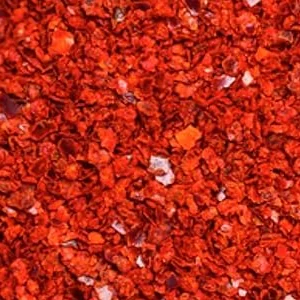
01 / Texture
Keep it coarse.
Visible flakes for kimchi, side dishes and everyday seasoning.
Available in a 7 oz bottle or 1 lb bag.Find your flakes →Coarse and fine begin with red pepper. The difference is how the texture works in your food.
Visible flakes for kimchi, side dishes and everyday seasoning.
Available in a 7 oz bottle or 1 lb bag.Find your flakes →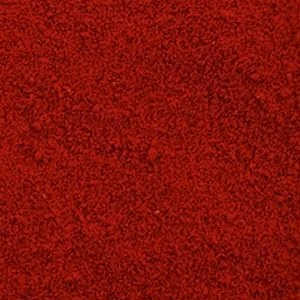
Soft powder for smooth mixtures, gochujang recipes and soups.
Available in a 1 lb bag.Explore fine powder →For kimchi and side dishes with visible pepper flakes, start with coarse gochugaru. For a smooth mixture or a recipe that specifically asks for fine powder, choose fine gochugaru.
Both grinds can add chili warmth. Neither name is a promise that the product will taste milder or hotter. Quantity, other ingredients and the dish itself affect the result.
The 7 oz bottle is convenient for occasional use. A 1 lb bag makes sense when you cook often or have a larger batch planned.
Compare the three products →A good meal starts with the right ingredient. Let the dish guide your grind.
A flaked grind gives kimchi seasoning its characteristic texture. Choose the 1 lb bag for a batch, or the 7 oz bottle when you want a smaller starting point.
Explore coarse gochugaru →No. Gochugaru is dried red pepper in flakes or powder. Gochujang is a fermented chili paste with additional ingredients. Check the recipe before swapping one for the other.
Coarse gochugaru is the usual choice for kimchi and vegetable side dishes. Fine powder is useful when a recipe calls for a smoother seasoning mixture, including gochujang and some soups.
Both contain coarse red pepper flakes. The bottle holds 200 g and the bag holds 454 g. Choose the amount that fits how often you cook and the size of your recipe.